Introduction
In today's healthcare landscape, specialized training is increasingly crucial for nursing professionals looking for to excel in their professions. One area that has actually obtained significant attention is dysphagia-- the clinical term for problem swallowing. This problem can occur from many reasons, including neurological Learn more disorders, head and neck cancers, and various other diseases. As the populace ages and the occurrence of dysphagia surges, the need for knowledgeable specialists has never ever been higher. This write-up delves into the significance of dysphagia training for nurses, checking out exactly how customized dysphagia training can boost profession prospects while improving patient care.
What is Dysphagia?
Definition and Overview
Dysphagia refers to a variety of conditions involving trouble ingesting. Individuals may experience pain during ingesting (odynophagia) or really feel as though food is stuck in their throat or upper body. This condition can significantly influence dietary intake and high quality of life.
Prevalence of Dysphagia
The prevalence of dysphagia differs throughout various populaces yet is specifically common amongst older adults. According to research study, around 15-30% of older grownups experience some type of dysphagia. Recognizing these data highlights the significance of specialized care in this field.
Why Specialized Dysphagia Training Matters
Enhancing Patient Care
Specialized dysphagia training courses furnish nurses with the skills required to assess and handle individuals properly. Knowledge gained with these programs helps nurses understand nutritional adjustments, positioning strategies, and risk-free swallowing methods that are essential for client safety.
Boosting Job Opportunities
Holding certifications in dysphagia care can set a registered nurse in addition to their peers. Facilities usually focus on prospects with specialized training when loading placements associated with geriatric care, rehab, or acute treatment settings.
Advancing Your Profession: The Value of Specialized Dysphagia Training for Nurses
Skills Acquired Through Training
Participating in a dysphagia training course allows registered nurses to obtain beneficial skills such as:

- Assessment strategies for recognizing ingesting difficulties Knowledge concerning various textures and adjustments for food Strategies for avoiding aspiration Interventions customized to private patient needs
Importance in Multi-Disciplinary Teams
Nurses play an essential function within multi-disciplinary groups handling patient care. A detailed understanding of dysphagia allows nurses to connect properly with speech therapists, dietitians, and physicians regarding client needs.
Types of Dysphagia Training Courses Available
Online vs In-Person Training
Both online and in-person dysphagia training courses are readily available. On the internet styles supply adaptability and availability, while in-person sessions enable hands-on experience through simulations and team activities.
Certification Programs
Many organizations use certification programs concentrated on dysphagia monitoring. These programs commonly call for conclusion of coursework adhered to by evaluations to confirm knowledge acquisition.
Curriculum Emphasizes of Dysphagia Training Courses
Fundamental Concepts
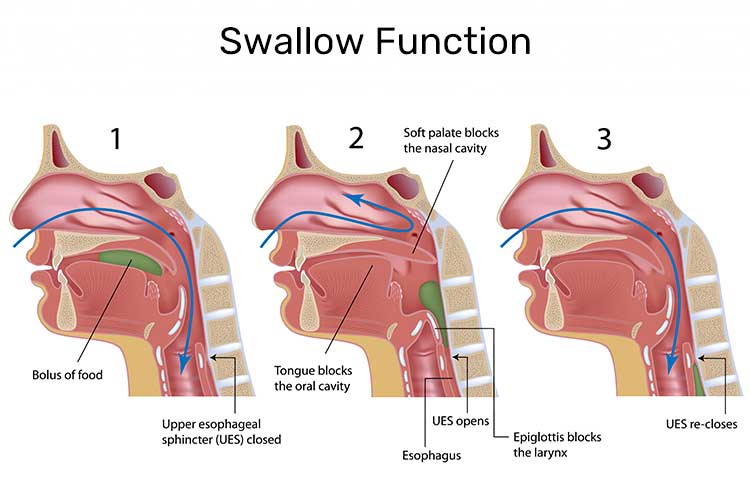
Fundamental facets covered include composition relevant to ingesting, common conditions resulting in dysphagia, analysis protocols, and interventions created to improve ingesting safety.
Advanced Techniques
Advanced courses delve much deeper right into healing methods such as neuromuscular electrical stimulation (NMES), which can assist reinforce muscle mass associated with swallowing.
Who Should Go after Dysphagia Training?
Target Target market for Dysphagia Courses
While mainly targeted at nurses, these training courses additionally benefit physical therapists, speech-language pathologists, dietitians, and caregivers involved in client support.
Importance for Treatment Staff
Dysphagia training for care staff guarantees that those offering everyday help are knowledgeable concerning dietary needs and safety measures essential for individuals with ingesting difficulties.
Benefits Beyond Scientific Practice
Personal Development
Engaging in specialized training fosters individual development by increasing knowledge perspectives and boosting self-confidence when dealing with complicated clinical issues.

Networking Opportunities
Training programs often supply opportunities to connect with various other healthcare experts that share comparable interests in enhancing individual end results related to dysphagia management.
Common Myths About Dysphagia Training
Myth 1: Only Speech Specialists Need This Training
It's a common mistaken belief that only speech-language pathologists need to concentrate on dysphagic problems; nevertheless, nurses play a vital role in keeping track of symptoms and carrying out interventions.
Myth 2: It's Not Essential if You Collaborate With Older Adults
While it might appear user-friendly that older grown-up caretakers require this understanding most urgently because of higher incidence prices among seniors, all healthcare providers can benefit from comprehending dysphagic needs across different demographics.
Key Elements of Effective Dysphagia Management
Comprehensive Analysis Techniques
Effective monitoring starts with extensive evaluations that examine both physical capacities associated with swallowing in addition to emotional variables affecting food consumption behaviors.
Individualized Treatment Plans
Creating individualized strategies based upon assessment findings ensures each person's special demands are addressed properly-- something only trained specialists can attain seamlessly!
Real-Life Applications: Situation Studies
Here we dive into real-life applications showing how specialized training influences patient treatment:
|Case Study|Description|| ------------|-------------|| Elderly Individual|After finishing a training course on managing dementia-related dysphasia difficulties, Registered nurse X had the ability to apply reliable approaches protecting against choking incidents throughout dishes!|| Stroke Survivor B|Nurse Y used her newfound abilities post-training by working together closely with SLPs (Speech-Language Pathologists) leading recuperation initiatives after strokes influencing swallowing ability.|
FAQs concerning Dysphagia Training
What is consisted of in a typical dysphagia training course?- Most courses cover composition related to ingesting, analysis techniques, treatment strategies & & more!
- Completion time differs yet usually ranges from a number of weeks up-to six months depending upon training course intensity!
- Many programs require prior nursing experience or foundational knowledge about anatomy & physiology!
- Yes! Numerous organizations offer flexible online options allowing pupils complete coursework according their schedules!
- While not obligatory everywhere; holding accreditations boosts task potential customers & shows dedication towards expert development!
- Some employers do offer economic support or reimbursements so it's best method inquire straight before enrolling yourself!
Conclusion
Investing time into getting knowledge via specialized dys-phag-i-a train-ing offers both concrete advantages like enhanced pa-tient end results along with intangible incentives such as raised confidence within scientific practice settings-- a win-win situation! As you take into consideration advancing your career path further down this avenue bear in mind: the extra you learn about managing intricate instances properly enhances not just your specialist value but also considerably improves lives strained by persistent health challenges associated with ingesting disorders too! Now isn't that something worth pursuing?
By concentrating on continual education and learning within nursing disciplines-- particularly worrying areas like swallow-ing troubles-- we're not just enhancing our personal skillsets but also favorably influencing those around us each and every single day!